
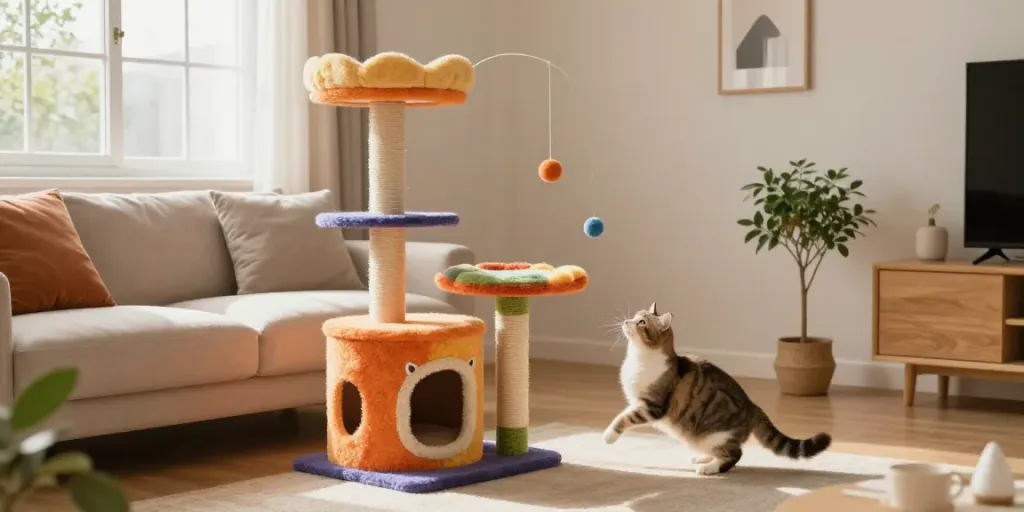
Understanding Cat Tree Features
Cat trees, often referred to as cat towers, provide essential physical and mental stimulation for felines, serving both as playgrounds and resting spots. When exploring options, cat tower cat tree designs have evolved significantly, catering to a variety of cat sizes, personalities, and home environments. Understanding the features that make these structures appealing is crucial for pet owners looking to enhance their cats' lifestyle.
What Makes a Great Cat Tower Cat Tree?
A great cat tower cat tree incorporates several critical features that cater to a cat's natural instincts. These include:
- Multiple Levels: Cats love to climb, and a well-designed tower offers various platforms and perches, allowing them to explore their vertical space.
- Enclosed Spaces: Hideaways or condos within the structure provide cats with safe, quiet zones to retreat when feeling stressed or overwhelmed.
- Scratching Posts: Integrated scratching areas help to satisfy a cat’s instinctual need to scratch while protecting your furniture.
- Sturdy Construction: A stable structure is essential for safety, as it prevents tipping and ensures it can withstand the energetic jumps and playful antics of cats.
Materials and Durability Considerations
The materials used in cat towers are vital for durability and safety. Common materials include:
- Wood: Solid wood frames provide strength and stability, making them a long-lasting choice.
- Carpet: Soft carpeting enhances comfort but requires regular cleaning to maintain hygiene.
- Sisal Rope: Used for wrapping around posts, sisal is ideal for scratching due to its texture and durability.
- Non-toxic Finishes: Ensuring that all materials are non-toxic is crucial for the health of your pets.
Different Styles for Different Cats
Not all cats have the same preferences, and their personalities can influence the type of cat tree that will be best suited for them. For example, high-energy cats often benefit from taller structures with numerous climbing options, while elder cats may prefer lower trees with easy access points. Customising the tree to fit the specific needs will encourage engagement and reduce anxiety.
Benefits of Cat Towers for Pet Health
Investing in a quality cat tower cat tree is not merely about providing a play area; it significantly enhances a cat's overall well-being.
Physical Exercise and Its Importance
Regular physical exercise is essential for maintaining a healthy weight and preventing obesity in cats. A cat tree encourages climbing and jumping, which are natural behaviours that help strengthen muscles and improve cardiovascular health. Providing a structured environment for exercise can help mitigate behavioural issues stemming from boredom.
Mental Stimulation: Keeping Cats Engaged
Just as physical health is crucial, so too is mental health. Cat towers stimulate mental engagement through various activities such as climbing, scratching, and exploring hidden spaces. This mental stimulation is essential in reducing stress levels and preventing anxiety-related behaviours.
Reducing Stress and Anxiety in Cats
In multi-pet households, a cat tower can become a sanctuary for timid or anxious cats. The elevated positions allow them to observe their environment safely, while enclosed spaces offer comfort when they need to retreat. By incorporating safe zones in the cat tower design, pet owners can help reduce territorial disputes and promote harmony among pets.
Choosing the Right Cat Tower
Finding the ideal cat tower for your feline friend involves considering various factors that align with both your cat's personality and your living space.
Evaluating Size and Space Requirements
Before purchasing, measure the available space in your home. Cat trees come in various sizes, and it’s crucial to choose one that fits comfortably without overwhelming your living area. Consider the height, width, and overall footprint of the structure, ensuring it doesn’t obstruct pathways or cause clutter.
Assessing Your Cat's Personalities and Preferences
Different cats exhibit different behaviours; thus, understanding your cat's personality will guide your selection. Active cats may prefer taller trees with multiple levels, while more reserved cats might benefit from structures that include cosy hideaways. Additional features, such as interactive elements and toys, can also enhance engagement.
Financial Considerations for Cat Trees
Cat trees range in price, with factors influencing cost including materials, size, and design complexity. Establishing a budget will help narrow down options. Investing in a durable cat tower may come at a higher upfront cost but can save money in the long run due to its longevity.
Maintenance and Care Tips
Ensuring that your cat tree remains clean and safe is essential for both you and your pet. Regular maintenance will preserve its lifespan and hygiene.
Cleaning Tips for Cat Towers
Regularly vacuuming the surfaces and using pet-friendly cleaning wipes ensures that your cat tree remains free from hair, dirt, and bacteria. Spot cleaning with appropriate cleaners can also help maintain the aesthetic appeal.
Preventing Wear and Tear
Additionally, monitoring the wear on scratching posts and platforms is crucial. If you notice frayed areas or excessive wear, it may be time to replace specific parts or the entire structure depending on the severity.
Signs It's Time to Replace Your Cat Tree
Knowing when to replace a cat tree is important. Signs include significant wobbling, compromised structural integrity, or excessive wear that could pose safety risks. Regular inspections will help you identify these issues early.
Future Trends in Cat Furniture
As we advance towards 2026, innovative designs and trends in cat furniture are anticipated to enhance the function and aesthetics of pet accessories.
Innovative Designs for 2026 and Beyond
Expect to see cat trees that integrate seamlessly into home decor, featuring modern designs and materials that complement contemporary living spaces. Multifunctional furniture that serves as both a cat tree and human furniture is also on the rise.
Eco-Friendly Materials and Sustainability Practices
With growing awareness of environmental issues, sustainability will become a priority. Cat towers crafted from recycled and sustainable materials will not only appeal to environmentally conscious consumers but also ensure the safety of pets.
Technological Integrations in Cat Towers
Lastly, the incorporation of technology into cat furniture is expected to gain traction, with features that may include built-in toys, wellness sensors, and even interactive platforms that engage pets remotely. Such innovations will bridge the gap between play and practicality, redefining the way pets interact with their surroundings.
What are the best materials for cat tower cat trees?
When selecting a cat tower, the best materials typically include robust hardwood for the structure, durable carpeting, and sisal or other textured materials for scratching areas. These components ensure longevity while providing comfort and safety for your feline.
How can I engage my cat with their tower?
Engage your cat by placing toys or treats at different heights on the tower, encouraging climbing and exploration. Regular interaction and play sessions will further enhance the appeal of the cat tower.
What size cat tower is best for small apartments?
A compact cat tower with a smaller footprint and vertical design works best for small spaces, allowing your cat to exercise without consuming valuable floor space.
What features should I look for in a cat tower?
Key features to look for include multiple levels for climbing, secure scratching posts, enclosed spaces for safety, and sturdy construction to accommodate your pet’s playful nature.
How often should I clean my cat tree?
Regular cleaning is recommended, ideally once a week, to prevent the build-up of hair and dirt, ensuring a hygienic environment for your cat.